Love Not War: A Comprehensive Evaluation for Designers
In the expansive landscape of digital typography, selecting the right typeface is often the most critical decision a designer makes. It dictates the emotional tone, readability, and overall aesthetic cohesion of a project. Among the many options available, Love Not War has emerged as a distinctive choice for those seeking a blend of warmth and personality. This article provides an objective analysis of this font, exploring its characteristics, ideal use cases, and potential limitations to help you determine if it aligns with your specific design goals.
Understanding the Character of Love Not War
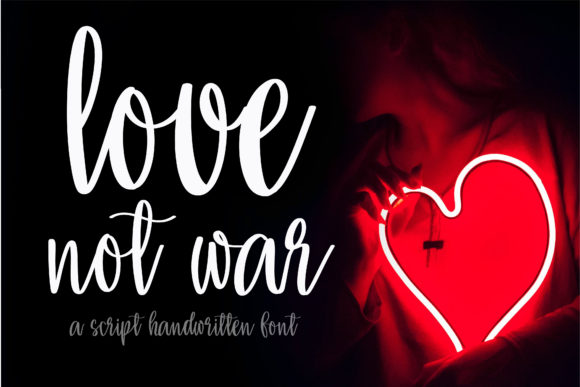
Love Not War is not merely a standard sans-serif or serif typeface; it is a sweet and friendly handwritten font designed to evoke a sense of approachability. Its natural and unique style sets it apart from rigid, geometric fonts that dominate corporate branding. The letterforms mimic the fluidity of human handwriting, featuring slight irregularities that add character without sacrificing legibility. This organic quality makes it incredibly fitting to a large pool of designs, ranging from personal blogs to artisanal product packaging.
The font's name itself suggests a philosophy of positivity and connection. Visually, this translates into rounded edges and open counters that invite the reader in. Unlike script fonts that can be difficult to read at small sizes, Love Not War maintains a balance between stylistic flair and functional clarity. It captures the essence of a note written by hand, offering the authenticity of a personal touch within the convenience of a digital file.
Why Designers Are Interested in This Typeface
There are several compelling reasons why designers evaluate Love Not War for their projects. Primarily, it addresses the growing demand for authentic, human-centric design. In an era where digital interfaces can feel sterile and automated, a font that introduces a "human element" helps build trust and rapport with the audience.
- Emotional Resonance: The font naturally conveys friendliness, creativity, and warmth, making it effective for brands that want to appear accessible rather than authoritative.
- Versatility: While it is distinct, its structure allows it to integrate well with various layout styles, provided the hierarchy is managed correctly.
- Uniqueness: Because it possesses a natural and unique style, it stands out against the backdrop of ubiquitous system fonts like Arial or Helvetica, helping a brand establish a memorable identity.
Benefits and Practical Applications
When implemented correctly, Love Not War offers significant benefits for visual communication. Its primary strength lies in its ability to soften the message of a design. Whether used for headlines, quotes, or short paragraphs, it adds a layer of intimacy that other typefaces struggle to achieve.
This font is particularly strong in situations where the content is personal or community-focused. For instance, wedding invitations, greeting cards, and event posters benefit greatly from its celebratory and gentle nature. Similarly, lifestyle bloggers and influencers often utilize it to create a sense of direct conversation with their followers, as if they are reading a diary entry or a casual letter.
Furthermore, the font's compatibility with a wide range of themes means the only limit is your imagination. It pairs effectively with minimalist backgrounds, allowing the text to serve as the focal point. When combined with soft color palettes, it enhances the overall soothing effect of the design. For educational materials aimed at children or creative workshops, the font's playful yet structured appearance ensures engagement without appearing chaotic.
Tradeoffs and Considerations
While Love Not War is a powerful tool, it is not a universal solution. Every typeface comes with tradeoffs that must be weighed during the selection process. The most significant consideration is readability over long stretches of text. Handwritten fonts often contain varying stroke widths and irregular spacing that can cause eye fatigue when used for body copy exceeding a few hundred words.
Another limitation is the risk of overuse. Because the font is so expressive, using it too frequently can dilute its impact and make a design look cluttered or unprofessional. Additionally, while it fits many styles, it may clash with high-tech, industrial, or ultra-minimalist aesthetics that require precision and uniformity. Designers must also consider the technical aspects, such as web performance and licensing, ensuring the font family includes the necessary weights and characters for internationalization if needed.
Situations Where Alternatives May Be Worth Considering
Determining whether Love Not War is the right choice requires understanding when it might not be appropriate. If your project demands absolute neutrality and objectivity, this font may introduce unintended bias. For example, legal documents, financial reports, or medical journals typically require typefaces that convey stability, authority, and strict legibility. In these contexts, a clean sans-serif or a traditional serif would be a more prudent choice.
Similarly, if the target audience includes individuals with visual impairments or dyslexia, the irregularities of a handwritten style could pose accessibility challenges. In such cases, a highly legible, standardized font with clear distinction between similar characters is essential. Furthermore, for large-scale data visualization or interface design where space is at a premium, the wider character width of Love Not War might consume valuable real estate compared to more compact alternatives.
Practical Decision-Making Insights
To decide if Love Not War aligns with your goals, start by defining the core emotion you wish to communicate. Ask yourself: Does this project need to feel like a handshake or a contract? If the answer leans toward the former, this font is likely a strong candidate. It is helpful to create mockups using both Love Not War and a neutral alternative side-by-side. Observe how each affects the perceived tone of the content.
Consider the context of consumption. Will the user be scanning quickly on a mobile device, or will they be engaging deeply with the material? For quick scanning, ensure the font size is sufficient and the contrast is high. For deep engagement, the font's personality can shine. Finally, test the font in conjunction with your existing brand elements. If your logo is geometric and sharp, Love Not War might create a jarring contrast unless balanced carefully with ample white space.
Conclusion
Love Not War represents a thoughtful option for designers seeking to inject humanity and warmth into their work. Its natural and unique style makes it incredibly fitting for projects that prioritize connection and creativity. However, like any design tool, its effectiveness depends on strategic application. By weighing its benefits against potential readability issues and considering the specific needs of your audience, you can make an informed decision that elevates your design.
Whether you are creating a heartfelt invitation, a personal blog post, or a community campaign, evaluating Love Not War through the lens of your project's specific requirements will ensure it serves its purpose effectively. Ultimately, the right font is one that communicates your message clearly while enhancing the emotional experience of your audience.