Rolling Beat: A Comprehensive Evaluation of This Flowing Handwritten Typeface
In the crowded landscape of digital and print typography, finding a font that balances legibility with genuine artistic expression is a persistent challenge. Many designers struggle to find a typeface that feels authentic without sacrificing readability or looking overly casual. Rolling Beat has emerged as a compelling option for those seeking a distinct aesthetic. Described as a flowing handwritten font, it brings an elegant touch to projects that require a human element. This evaluation explores what makes Rolling Beat unique, how it fits into broader design categories, and who should consider using it for their next creative endeavor.
Understanding the Distinct Character of Rolling Beat
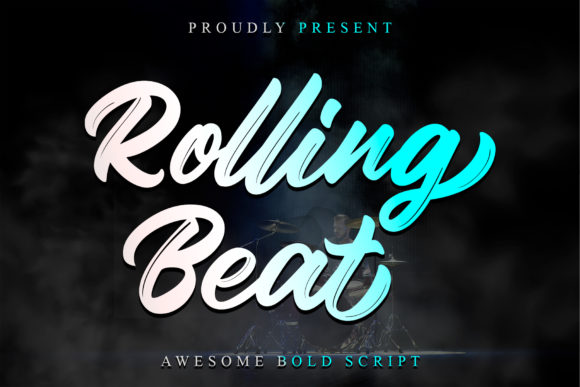
To understand where Rolling Beat fits in the typographic ecosystem, one must first analyze its core visual characteristics. Unlike rigid geometric sans-serifs or traditional serif fonts, this typeface mimics the natural rhythm of a hand moving across paper. The description of it as "flowing" is not merely marketing fluff; it refers to the continuous, connected strokes that define its letterforms. This creates a sense of motion and fluidity that static fonts often lack.
The elegant touch mentioned in its profile suggests a refinement in the stroke weight and curvature. It avoids the jagged edges or uneven pressure points often found in low-quality handwriting fonts. Instead, it offers a polished version of cursive script that retains the warmth of personal correspondence while maintaining professional standards. For users exploring alternatives, the key differentiator here is the balance between distinctiveness and timelessness. Many modern scripts trend heavily toward specific styles—such as brush strokes or marker scribbles—that can feel dated quickly. Rolling Beat aims to avoid this trap by focusing on a style that feels classic yet fresh.
- Fluid Connectivity: The letters are designed to flow into one another, creating a cohesive line of text rather than isolated characters.
- Elegant Weighting: The stroke variation mimics the subtle changes in pressure a writer applies, adding depth to the text.
- Timeless Appeal: By avoiding extreme stylistic quirks, the font remains versatile across different eras of design trends.
Comparative Analysis: Script Fonts vs. Structured Alternatives
When evaluating a font like Rolling Beat, it is essential to compare it against the two primary categories of typefaces: structured fonts (sans-serif, serif) and other script or handwritten options. Each category serves a different psychological purpose in communication.
Structured fonts are the workhorses of design. They prioritize clarity, efficiency, and neutrality. If a project requires conveying complex data, legal terms, or technical instructions, a structured font is almost always the superior choice. However, these fonts can sometimes feel cold or impersonal. This is where a flowing handwritten font enters the conversation. Rolling Beat fills the gap left by rigid typefaces by injecting personality and emotion into the design. It signals creativity, approachability, and a human connection.
Within the script category itself, the comparison becomes more nuanced. There are "formal scripts" that resemble calligraphy and "casual scripts" that look like quick notes. Rolling Beat occupies a middle ground. It is less formal than traditional copperplate calligraphy but more deliberate than a chaotic scrawl. When compared to casual scripts, Rolling Beat often offers better legibility due to its refined structure. When compared to formal scripts, it feels more accessible and less intimidating. This positioning makes it a strong contender for brands trying to appear sophisticated yet friendly.
Designers often face a tradeoff between uniqueness and usability. Highly stylized fonts can be difficult to read at small sizes or in long paragraphs. Rolling Beat appears designed to mitigate this issue. Its flowing nature is optimized for display purposes and short text blocks, where its elegance can shine without compromising the user's ability to process the information. This distinction is crucial for anyone deciding between a decorative font and a functional one.
Best-Fit Situations and Practical Applications
Determining whether Rolling Beat is the right tool for a specific project requires an honest assessment of the context. The font's strengths lie in areas where emotional resonance and visual flair are prioritized over raw information density. Below are scenarios where this typeface excels.
Branding and Identity
For businesses aiming to build a personal brand or a boutique identity, Rolling Beat can serve as a powerful logo element or headline font. The elegant touch helps convey a sense of craftsmanship and care. Imagine a wedding invitation suite, a high-end bakery menu, or a lifestyle blog header. In these contexts, the font reinforces the message that the brand values quality and attention to detail. It transforms a standard layout into something that feels curated and special.
Editorial and Storytelling
In editorial design, such as magazine spreads or book covers, typography sets the mood. A flowing handwritten font can break up the monotony of body text and draw the eye to pull quotes or chapter titles. Because Rolling Beat is described as having a timeless style, it pairs well with both modern photography and vintage imagery. It acts as a bridge between the content and the reader, inviting them into the story rather than just presenting facts.
Event and Personal Projects
One of the most common use cases for this type of font is event planning. Whether it is a wedding, a birthday party, or a corporate gala, the need for a personalized touch is universal. Rolling Beat allows designers to create materials that feel bespoke. The distinct style ensures that the event stationery stands out from generic templates found online. It adds a layer of exclusivity that attendees appreciate.
Navigating Limitations and Decision Factors
While Rolling Beat offers significant aesthetic benefits, it is not a universal solution. Understanding its limitations is just as important as recognizing its strengths. A font that works perfectly for a headline may fail miserably as body copy. The flowing nature of handwritten fonts often reduces legibility when text is dense or small. Therefore, using Rolling Beat for large blocks of text is generally inadvisable. It should be treated as a display typeface, used sparingly to create impact.
Another critical factor is the pairing strategy. A flowing font needs a complementary partner to maintain balance. Pairing Rolling Beat with another script font can result in a chaotic visual experience. Conversely, pairing it with a neutral, clean sans-serif can highlight its elegance without competing for attention. Designers must carefully select a secondary font that supports the main typeface rather than fighting it. This decision-making process involves testing various combinations to ensure the hierarchy of information remains clear.
There are also technical considerations. As with any specialized font, compatibility across different devices and browsers must be verified. While web fonts have improved significantly, some handwritten styles can render inconsistently if the kerning (spacing between letters) is not optimized. Before committing to Rolling Beat for a large-scale web project, it is prudent to test the font rendering on mobile screens and various operating systems. Ensuring that the "flowing" lines remain intact and do not break awkwardly is essential for a professional finish.
Making the Final Choice
The decision to adopt Rolling Beat ultimately depends on the specific goals of the project. If the objective is to create a memorable, emotionally engaging visual experience, this font is a strong candidate. Its distinct and timeless style offers a way to elevate designs beyond the standard toolkit of Arial or Helvetica. However, if the primary goal is maximum data transmission speed or strict adherence to corporate branding guidelines that forbid decorative elements, a more neutral font would be appropriate.
For those exploring alternatives, the market offers many options ranging from rough, sketch-like scripts to highly formal calligraphy. Rolling Beat distinguishes itself by offering a refined middle path. It provides the character of a handwritten note without the messiness of a draft. It is perfect for projects where the designer wants to say, "This was made with care," without shouting for attention.
Ultimately, typography is about communication. Rolling Beat communicates elegance, flow, and a personal touch. By understanding its capabilities and limitations, designers can make informed decisions that enhance their work. Whether used for a spectacular design or a subtle accent, this font provides a reliable foundation for creating visuals that resonate with audiences aged 20 to 50 and beyond. The key lies in using it intentionally, ensuring that its beauty serves the message rather than distracting from it.