Ravaris Font Evaluation
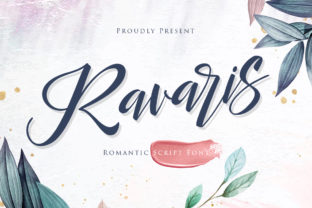
Ravaris is a script typeface designed to embody fun, quirkiness, and authenticity. Unlike traditional serif or sans-serif fonts that prioritize strict readability for dense body text, Ravaris is engineered to turn creative ideas into true standouts. Its design language leans heavily into childlike playfulness, making it a distinct choice for projects requiring a personal, handcrafted touch. For designers, educators, and content creators evaluating this font, understanding its specific characteristics and ideal use cases is essential before integrating it into a workflow.
Understanding the Design Identity of Ravaris
At its core, Ravaris is an enchanting script font. The term "script" in typography generally refers to letterforms that mimic handwriting or calligraphy. However, not all scripts are created equal. While some aim for formal elegance or corporate legibility, Ravaris distinguishes itself through a deliberate lack of rigidity. It captures a sense of spontaneity and organic movement.
The font's primary appeal lies in its ability to convey emotion without words. The strokes often vary in weight and flow in a way that suggests they were written with a marker or brush rather than typed on a keyboard. This characteristic creates an immediate sense of authenticity. When a user encounters text set in Ravaris, the subconscious perception is often one of human connection rather than digital precision. This makes it particularly effective for branding that wishes to appear approachable, unpretentious, and genuinely creative.
Primary Use Cases and Applications
Evaluating whether to select Ravaris requires looking at where it performs best. The font is not a universal solution; it excels in specific contexts where visual impact and personality take precedence over standard information hierarchy.
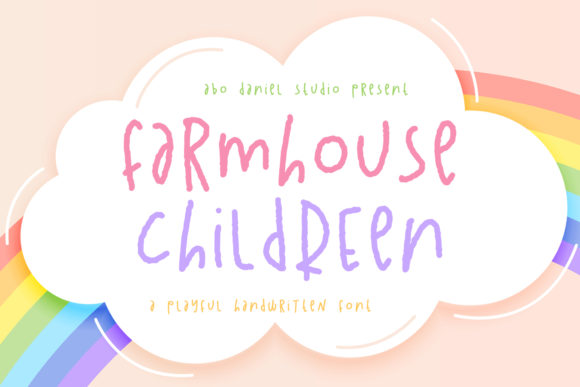
- Kids and School Projects: As noted in its design philosophy, Ravaris is exceptionally bright and engaging for educational materials. It can transform a standard worksheet, a classroom poster, or a children's book cover into something inviting. The playful nature of the letters helps lower the barrier to entry for young readers, making learning materials feel less like a chore and more like an activity.
- Creative Branding: For businesses in the arts, crafts, or lifestyle sectors, Ravaris offers a way to signal creativity immediately. A bakery, a boutique toy store, or a handmade jewelry brand might use this font for logos or packaging to emphasize the artisanal quality of their products.
- Headlines and Display Text: Because of its unique character, Ravaris functions best as a display font. It is ideal for headlines, titles, and short phrases where the goal is to grab attention. Using it for long paragraphs would likely hinder readability and fatigue the reader due to the irregular shapes of the characters.
Benefits of Choosing Ravaris
When comparing Ravaris against other script options, several distinct advantages emerge for the right project.
Visual Distinctiveness: In a sea of standard Helvetica or Arial, a script font like Ravaris provides an immediate visual break. It ensures that a creative idea stands out. The "quirky" aspect of the design prevents the content from blending into generic templates, giving the work a memorable identity.
Emotional Resonance: The font successfully communicates warmth. For brands trying to build a community or a loyal following, the authentic feel of the typeface can foster a stronger emotional connection with the audience. It feels less corporate and more like a note from a friend.
Versatility within Niche Markets: While it may not suit a law firm, Ravaris is highly versatile within the niche markets of education, entertainment, and creative services. It allows designers to maintain a consistent theme across various media, from digital banners to printed merchandise.
Tradeoffs and Considerations
No single typeface is perfect for every scenario. To make an informed decision, one must weigh the benefits against the limitations inherent to the design of Ravaris.
Readability Constraints: The most significant tradeoff is legibility. The decorative nature of the script means that reading speed will be slower compared to neutral typefaces. It is unsuitable for technical documentation, legal contracts, or any interface where users need to scan information quickly. Overusing the font can lead to visual clutter that obscures the message.
Professional Context Limitations: If the goal is to project authority, stability, or seriousness, Ravaris is likely the wrong choice. Its childlike playfulness can undermine credibility in industries such as finance, healthcare, or government. Using a whimsical font in these contexts may cause the audience to question the professionalism of the sender.
Pairing Challenges: Integrating Ravaris into a broader typographic system requires careful planning. Because it is so visually loud, it often demands a very simple, neutral companion font for body text. Finding a balance where the script does not overwhelm the supporting text is a critical design consideration.
Alternatives and Comparison
Depending on the specific nuances of a project, other fonts might offer a better fit. If the goal is "fun" but with a slightly more modern or geometric edge, a rounded sans-serif might be preferable. If the requirement is for a handwritten look that maintains higher legibility, a casual cursive script with more uniform stroke weights could be a better alternative.
For projects that require a balance between personality and structure, a "handwritten" style font that mimics print rather than cursive might be evaluated. These alternatives often provide the warmth of a human touch without the potential readability issues of a fully connected script like Ravaris. However, if the specific goal is maximum quirkiness and a strong departure from the norm, fewer competitors match the specific energy of Ravaris.
Practical Decision-Making Insights
To determine if Ravaris aligns with your goals, consider the following checklist during the selection process:
- Define the Audience: Is the target demographic children, creatives, or general consumers? If the audience expects a serious or formal tone, avoid this font.
- Analyze the Content Volume: Will the text be a headline, a logo, or a full article? Restrict Ravaris to short bursts of text to maintain impact.
- Assess the Medium: How will the font be displayed? On small mobile screens, the intricate details of a script font may become illegible. Ensure the resolution is sufficient to render the curves clearly.
- Check Licensing: As with any commercial asset, verify the licensing terms. Some free versions may restrict usage in commercial projects, which is crucial for business applications.
Conclusion
Ravaris is a specialized tool in the typographer's arsenal. It is not a default choice for everyday communication, but it is a powerful option when the objective is to inject fun, authenticity, and quirkiness into a design. By turning creative ideas into standout visuals, it serves a specific purpose that standard fonts cannot fulfill. For those working on kids' projects, school materials, or creative branding initiatives, it offers a unique aesthetic that resonates with the intended message. However, success depends on disciplined application—using it where its strengths shine while avoiding contexts where its playfulness might detract from clarity or professionalism.
Ultimately, the decision to use Ravaris should be driven by the specific emotional tone required by the project. If the goal is to brighten up a page and invite the viewer into a world of imagination, this script font is a strong candidate. If the priority is efficient information transfer, a more neutral typeface remains the prudent choice.