Showlove Font Evaluation
In the landscape of digital typography, selecting a typeface often involves balancing aesthetic appeal with functional readability. Showlove occupies a specific niche within this spectrum, distinguished by its handwritten character that bridges the gap between formal script and casual note-taking. For designers, developers, and content creators seeking to inject personality into their projects without sacrificing legibility, understanding the full scope of this font is essential. This evaluation explores the technical specifications, design philosophy, and practical applications of Showlove to help stakeholders determine if it aligns with their specific project requirements.
Understanding the Design Philosophy
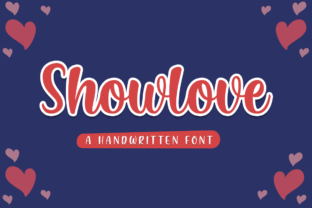
Showlove is defined as an equally lovely and funny handwritten font. The descriptor "lovely" suggests a deliberate attention to aesthetic grace, while "funny" implies a playful irregularity in stroke weight and letter formation. Unlike rigid sans-serif or serif fonts that prioritize uniformity, Showlove mimics the natural inconsistencies of human handwriting. This approach creates an immediate sense of warmth and approachability, making it distinct from standard display fonts that can feel cold or corporate.
The font family is comprehensive, including a full set of alphabetical glyphs, numerals, and punctuation marks. This completeness is a critical factor for professional use. Many decorative fonts fail when presented with complex text containing numbers or varied punctuation, resulting in visual clutter. Showlove attempts to maintain its stylistic integrity across these elements, ensuring that a price tag or a date does not break the visual flow of the design.
Technical Composition and Glyph Set
The utility of any font depends heavily on its character set. Showlove includes:
- Alphabetical Glyphs: A complete range of uppercase and lowercase letters designed to flow naturally together.
- Numerals: Integrated numbers that match the height and style of the surrounding text, crucial for pricing, statistics, and dates.
- Punctuation: A variety of symbols including commas, periods, question marks, and exclamation points that adhere to the handwritten theme.
This extensive library allows the font to be used for more than just headlines. It supports multi-line paragraphs where the narrative voice needs to remain consistent throughout.
Reasons to Consider Showlove
Designers typically evaluate a typeface based on the emotional response it elicits. Showlove offers several compelling reasons for selection, primarily revolving around brand personality and user engagement.
Humanizing Digital Content
In an era dominated by algorithmic feeds and automated communications, there is a growing demand for content that feels human. Showlove serves as a tool to soften the tone of a message. Whether used in email marketing campaigns, social media graphics, or blog post headers, the font signals that a real person created the content. This psychological cue can increase trust and engagement rates among audiences who are fatigued by sterile, corporate aesthetics.
Creating a Playful Atmosphere
The "funny" aspect of the font makes it particularly suitable for brands targeting younger demographics or those operating in creative industries. It breaks down barriers between the brand and the consumer. For instance, a bakery, a toy store, or a lifestyle blog might utilize Showlove to convey a sense of joy and spontaneity. The irregular strokes suggest creativity and a lack of pretension, which can be highly effective for storytelling.
Benefits and Tradeoffs
No typographic choice is without its compromises. While Showlove offers distinct advantages, it is important to weigh these against potential limitations to ensure a balanced decision.
Primary Benefits
The most significant benefit of using Showlove is its ability to capture attention quickly. In a sea of uniform block text, a handwritten element stands out. Furthermore, because it is a single cohesive family, it simplifies the design process; users do not need to hunt for matching accents or secondary scripts. The inclusion of full numerals ensures that financial data or contact information remains legible and stylistically consistent.
Key Tradeoffs
The primary tradeoff lies in readability at small sizes. Handwritten fonts often suffer from reduced legibility when scaled down for mobile devices or printed in fine print. The irregularity that gives the font its charm can become noise when the resolution is low or the text size is under 14 pixels. Additionally, the "funny" nature of the font may clash with serious subject matter. Using Showlove for legal documents, medical advice, or financial reports could undermine the authority of the content.
Situations Where Showlove is a Strong Fit
To maximize the effectiveness of Showlove, it should be deployed in contexts where its strengths are amplified and its weaknesses are mitigated.
Brand Identity and Logos
Showlove excels in logo design for businesses that want to appear friendly and accessible. Its unique letterforms can serve as a memorable visual anchor for a brand name, provided the name is short enough to be read clearly.
Editorial and Blog Headers
For lifestyle publications, food blogs, or personal journals, Showlove works exceptionally well as a display font for article titles. It sets the stage for a conversational tone before the reader even begins the body text, which should ideally be set in a neutral sans-serif or serif font for maximum readability.
Event Invitations and Print Materials
The handwritten aesthetic translates beautifully to physical media. Wedding invitations, party flyers, and event programs often require a touch of elegance mixed with informality. Showlove provides this balance effectively, adding a personal touch that machine-printed fonts cannot replicate.
When to Consider Alternatives
While Showlove is versatile, it is not a universal solution. There are scenarios where other typefaces would be more appropriate.
High-Volume Data Presentation
If a project involves displaying large tables of data, spreadsheets, or dense lists of statistics, a monospaced or clean sans-serif font is superior. The variability in stroke width in Showlove can make comparing numbers difficult and slow down the reading process.
Formal Corporate Communications
For annual reports, press releases, or internal policy documents, the seriousness required by the content usually demands a more traditional typeface. Showlove's playful nature might inadvertently diminish the perceived gravity of the message.
Accessibility Requirements
Projects must adhere to Web Content Accessibility Guidelines (WCAG). Fonts with high levels of stylization can pose challenges for users with dyslexia or visual impairments. If accessibility is a primary concern, a simpler, more standardized font family is the safer choice.
Practical Decision-Making Insights
Selecting Showlove requires a clear understanding of the target audience and the medium of delivery. Before committing to the font, consider the following factors:
- Contextual Relevance: Does the personality of the font match the brand voice? If the brand is about precision and reliability, Showlove may send the wrong signal.
- Readability Testing: Test the font at various sizes and on different screens. Ensure that the letters do not merge together when viewed on a mobile device.
- Pairing Strategy: Decide how Showlove will interact with body text. It rarely works best as the sole font for an entire document. Pairing it with a highly legible, neutral font often yields the best results.
- Longevity: Consider whether the "funny" trend will age well. Some whimsical fonts date quickly, whereas others have a timeless quality. Evaluate if the style fits a long-term brand strategy.
Ultimately, Showlove is a powerful tool for designers looking to add a human element to their work. Its combination of alphabetical glyphs, numerals, and punctuation makes it a robust option for display purposes. However, like all specialized tools, it requires careful application. By evaluating the specific goals of the project and understanding the limitations of handwritten typography, creators can leverage Showlove to create designs that are both visually engaging and functionally sound.