Mariogalo Font Review: A Balanced Look at This Playful Handwritten Typeface
In the crowded landscape of digital typography, finding a typeface that strikes the perfect balance between approachability and professionalism is often a challenge. Designers frequently face a binary choice: stark, geometric sans-serifs for corporate clarity or chaotic, grunge scripts for edgy impact. However, there is a growing demand for a middle ground—a font that feels personal and handcrafted without sacrificing legibility or structural integrity. This is where Mariogalo enters the conversation as a compelling option for creative projects ranging from wedding invitations to modern branding.
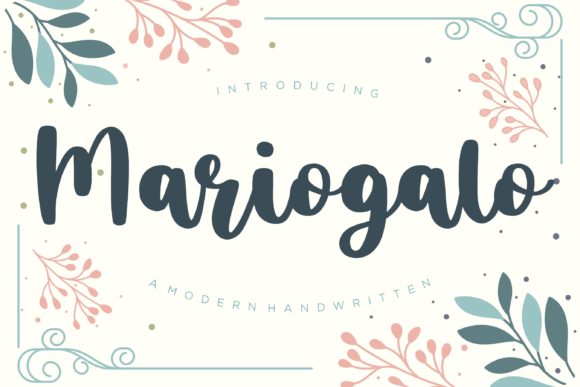
Mariogalo is not merely a standard script; it is a sweet and playful handwritten font created with the help of a brush pen. This distinction is crucial because it informs the character's weight distribution, stroke variation, and overall rhythm. Unlike fonts that simulate handwriting through rigid automation, Mariogalo aims to capture the organic flow of a physical tool on paper. Its friendly style makes it incredibly versatile, positioning it as a best choice for both formal and non-formal designs, provided the user understands its specific strengths and limitations.
The Distinctive Character of Brush-Style Typography
To evaluate whether Mariogalo fits a specific project, one must first understand the nuances of brush-style fonts. These typefaces are designed to mimic the fluidity of ink applied by a flexible nib. The result is a dynamic texture where thick downstrokes contrast with thin upstrokes, creating a sense of movement and energy. Mariogalo leverages this aesthetic but tempers it with a softer, more rounded edge profile.
What sets Mariogalo apart from other brush fonts is its inherent "sweetness." Many competitive options in this category lean heavily into aggressive flair or messy imperfections. While those styles serve specific artistic purposes, they can often feel too informal or even illegible when used in larger blocks of text. Mariogalo, conversely, maintains a consistent baseline and readable letterforms. The brush strokes are present but controlled, ensuring that the font remains accessible to a wide audience while retaining its hand-drawn charm.
This balance makes the font particularly effective for emotional storytelling. When a brand wants to convey warmth, creativity, or a human touch, Mariogalo provides the necessary visual cue without overwhelming the viewer. It acts as a bridge between the cold precision of digital design and the imperfect beauty of analog creation.
Evaluating Versatility Across Design Contexts
The marketing claim that Mariogalo is suitable for both formal and non-formal designs is bold, but it holds merit when examined closely. The key lies in application strategy. In non-formal contexts, such as social media graphics, blog headers, or casual event posters, the font shines. Its playful nature immediately engages the reader, signaling that the content is lighthearted and inviting.
However, the potential for use in "formal" settings requires a more nuanced approach. Traditional formal design typically relies on serif or clean sans-serif fonts to convey authority and stability. Mariogalo does not replace these heavyweights in legal documents or financial reports. Instead, it excels in formal scenarios where a touch of personality is desired. Consider a high-end wedding invitation suite, a boutique hotel brochure, or a luxury packaging label for artisanal goods. In these instances, the font adds a layer of exclusivity and craftsmanship that a standard typeface cannot achieve.
The decision to use Mariogalo in a semi-formal context depends on the surrounding elements. Pairing it with ample white space, elegant serif body copy, and muted color palettes can elevate the font's status. Conversely, using it alongside clashing colors or busy backgrounds will reinforce its casual nature, potentially undermining the intended message. The versatility of Mariogalo is not an inherent property of the letters themselves but a result of how a designer curates the entire visual environment.
Comparative Analysis: Mariogalo vs. Standard Scripts
When researchers compare Mariogalo against standard cursive or calligraphic fonts, several tradeoffs become apparent. Standard scripts often prioritize the illusion of continuous writing, which can lead to difficult-to-read ligatures and inconsistent spacing. These fonts are excellent for short headlines but often fail when extended text is required.
Mariogalo addresses some of these issues by maintaining clearer separation between characters. While it retains the fluidity of a brush pen, it avoids the extreme connectivity found in many traditional calligraphy fonts. This makes it a safer choice for designers who need a script that reads easily at smaller sizes or on mobile devices. Furthermore, its distinct "friendly" aesthetic differentiates it from the stiff, overly polished look of vector-based calligraphy tools. It feels more authentic and less manufactured.
Another point of comparison involves the level of customization available in similar tools. Some digital alternatives allow users to manually adjust every stroke, offering granular control but requiring significant time investment. Mariogalo offers a pre-baked solution that delivers immediate results. For professionals working under tight deadlines, this efficiency is a major advantage. The font provides a consistent look out of the box, reducing the risk of errors that might occur during manual adjustments.
Strategic Decision Factors and Limitations
No single typeface is a universal solution, and understanding the limitations of Mariogalo is just as important as recognizing its benefits. The primary constraint of any handwritten font is its readability in dense text blocks. Even with its friendly style, Mariogalo should generally be reserved for display purposes—headlines, pull quotes, logos, and short captions. Using it for long-form articles or technical manuals would likely hinder comprehension and fatigue the reader.
Additionally, the specific "sweet" tone of the font may not align with all brand identities. Companies operating in sectors like cybersecurity, industrial manufacturing, or serious healthcare might find the playful nature of Mariogalo incongruent with their core values. In these cases, a more neutral or authoritative typeface would be a prudent choice. The font works best for industries such as lifestyle, education, food and beverage, arts, and personal services.
Another consideration is technical compatibility. As with any specialized font, ensuring cross-platform consistency is vital. Designers must verify that the font files render correctly across different operating systems and web browsers. While most modern systems handle OpenType features well, it is essential to test the font in various environments to ensure that the subtle variations in stroke width remain intact. This step prevents the loss of the font's character when it is deployed in a live environment.
When to Choose Mariogalo Over Alternatives
Selecting the right font ultimately comes down to the specific goals of the project. If the objective is to create an immediate emotional connection, evoke nostalgia, or highlight a human element within a digital product, Mariogalo is a strong candidate. It is particularly effective for projects targeting younger demographics or those seeking a modern, trendy aesthetic that still feels grounded.
Conversely, if the priority is maximum legibility, neutrality, or scalability across diverse media without stylistic interference, a sans-serif or serif system font might be superior. Mariogalo is a statement piece; it demands attention and sets a specific mood. It is not a background actor. Therefore, it should be chosen when the design narrative requires a voice that is warm, approachable, and distinctly crafted.
For designers evaluating resources, the value of Mariogalo lies in its ability to simplify the decision-making process. Rather than searching for multiple fonts to achieve a specific look, this single typeface offers a comprehensive solution for brush-style needs. Its adaptability allows for a wide range of applications, from simple text overlays to complex typographic layouts, making it a valuable asset in a professional toolkit.
Conclusion: Integrating Mariogalo into Your Workflow
In the final analysis, Mariogalo represents a thoughtful evolution in the realm of handwritten typography. By combining the expressive qualities of a brush pen with the structural reliability needed for modern design, it fills a unique niche. It is neither too wild to be ignored nor too tame to be forgotten. For adults aged 20–50 who are exploring design options, Mariogalo offers a sophisticated yet accessible tool that can elevate a project from generic to memorable.
Whether you are designing a personal portfolio, a small business logo, or a seasonal campaign, taking the time to test Mariogalo against your specific requirements is worthwhile. Its friendly style and versatile nature make it a robust contender in the search for the perfect typeface. By weighing its strengths against the specific constraints of your project, you can determine if this sweet and playful font is the right partner for your next creative endeavor.