Unlocking Creative Potential with Bold Lining
In a digital landscape saturated with uniform sans-serifs and rigid serifs, the demand for authenticity has never been higher. Designers, educators, and content creators are increasingly seeking typefaces that convey a sense of human touch. This is where Bold Lining emerges as a transformative tool. It is not merely a font choice; it is a stylistic decision that bridges the gap between professional polish and personal expression. Its natural and unique style makes it incredibly fitting to a large pool of designs, allowing users to inject character without sacrificing legibility.
The journey into typography often begins with the basics: clarity and readability. However, true design mastery involves understanding the emotional resonance of every glyph. Bold Lining stands out because it mimics the fluidity of handwritten text while maintaining the structural integrity required for modern communication. Whether you are a business owner crafting a brand identity or a researcher preparing an educational handout, the versatility of this font opens doors to creative solutions that standard libraries often overlook.
The Aesthetic Philosophy Behind Handwritten Type
Why do we gravitate toward fonts that look like they were written by hand? The answer lies in psychology. In an era of algorithmic generation and sterile corporate templates, imperfection is becoming a premium feature. Bold Lining captures this essence perfectly. It avoids the robotic perfection of machine typesetting, offering instead a dynamic flow that suggests effort, care, and individuality.
This aesthetic philosophy is built on three core pillars:
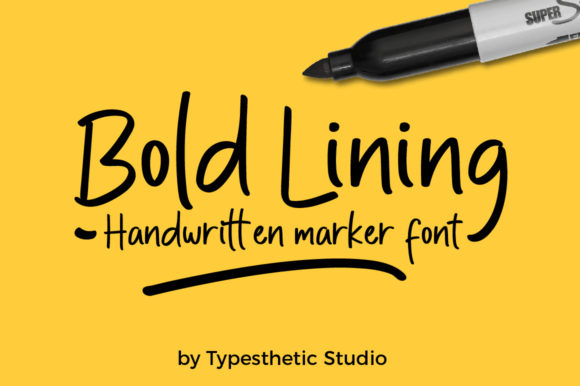
- Natural Flow: The strokes vary slightly in thickness, mimicking the pressure changes of a real pen or brush.
- Structural Balance: Despite its casual appearance, the letterforms remain geometrically sound, ensuring they do not become difficult to read at small sizes.
- Versatile Tone: It strikes a balance between formal and informal, making it suitable for both a wedding invitation and a technical manual cover.
When you choose Bold Lining, you are choosing a voice that speaks directly to the human experience. It breaks down barriers between the creator and the audience, fostering a sense of connection that blocky, standardized fonts often fail to achieve.
Applications Across Diverse Industries
The adaptability of Bold Lining allows it to transcend specific niches. While many fonts are pigeonholed into specific categories like "display" or "body text," this typeface thrives in hybrid roles. Let us explore how different sectors are leveraging its unique characteristics to enhance their output.
Educational Materials and Research
Educators know that engagement is key to learning. Textbooks and worksheets can often feel intimidating or dry. By incorporating Bold Lining for headings, pull quotes, or instructional notes, teachers can make the material feel more approachable. For researchers presenting data, using this font for section headers can break up dense blocks of information, guiding the reader's eye naturally through complex findings. The neatness of the letters ensures that even in academic contexts, the presentation remains crisp and organized.
Branding and Business Identity
For small business owners and startups, standing out is a necessity. A logo designed with Bold Lining immediately signals creativity and a customer-centric approach. Unlike overly decorative scripts that can be hard to read, Bold Lining retains high legibility while offering a distinct personality. It works exceptionally well for packaging labels, boutique storefronts, and service-based businesses that want to emphasize craftsmanship and personal attention.
Digital Content and Web Design
Web designers are constantly battling the monotony of the web. Standard system fonts like Arial or Times New Roman dominate the internet, leading to visual fatigue. Integrating Bold Lining into blog posts, landing pages, or email newsletters can create a memorable visual hierarchy. When used for call-to-action buttons or featured article titles, it draws attention without shouting. The font's clean lines ensure fast loading times and compatibility across various devices, which is crucial for user experience optimization.
Practical Considerations for Implementation
While the aesthetic appeal of Bold Lining is undeniable, successful implementation requires a strategic approach. Typography is not just about picking a pretty font; it is about establishing a rhythm and tone throughout a document or interface. Understanding the nuances of this typeface will help you avoid common pitfalls and maximize its impact.
- Pairing Strategies: Because Bold Lining has a strong personality, it pairs best with neutral, understated typefaces for body text. A clean sans-serif or a classic serif creates a beautiful contrast that highlights the uniqueness of the handwritten element without creating visual chaos.
- Scale and Spacing: The natural width of the letters means that line height must be adjusted carefully. Too tight, and the handwriting style becomes cramped; too loose, and the connection between words is lost. Experimentation is key to finding the perfect balance for your specific layout.
- Contextual Appropriateness: While versatile, there are limits. In highly formal legal documents or safety-critical signage, the casual nature of a handwritten style might undermine the gravity of the message. Always consider the context before applying the font.
The goal is to use Bold Lining as a seasoning rather than the main course. It enhances the flavor of the design but should not overpower the core message. By respecting these guidelines, creators can produce work that feels curated and intentional.
Technical Characteristics and Performance
From a technical standpoint, Bold Lining is engineered for efficiency. Modern web standards require fonts to load quickly and render sharply on high-resolution screens. The font file structure is optimized to support a wide range of weights and styles, ensuring that the transition from screen to print is seamless. This reliability is essential for professionals who cannot afford rendering errors or inconsistent spacing.
Furthermore, the cleanliness of the letterforms ensures accessibility. High contrast between the strokes and the background, combined with clear distinguishable characters, aids users with visual impairments. This commitment to inclusivity aligns with current best practices for digital content creation, making Bold Lining a responsible choice for public-facing materials.
The Future of Personalized Typography
As we move forward, the trend toward personalized digital experiences is accelerating. Users are tired of generic templates and are craving content that feels tailored to them. Bold Lining represents a shift in this paradigm. It offers a middle ground between mass production and custom illustration, providing a scalable solution for personalization.
Imagine a scenario where an educator creates a personalized study guide for each student, using Bold Lining to highlight key concepts. Or consider a hobbyist blogger who uses the font to give their website a signature look that reflects their unique perspective. These applications demonstrate the power of typography to shape perception and influence behavior.
The limit is indeed your imagination. As tools for design become more accessible, the barrier to entry for high-quality typography lowers. Bold Lining empowers non-designers to produce professional-grade visuals. It democratizes design, allowing anyone with a vision to execute it with confidence.
Observations on User Experience
Feedback from early adopters of Bold Lining highlights a consistent theme: increased engagement. Whether it is a higher click-through rate on a newsletter or better retention rates in an e-book, the human element introduced by the font seems to resonate deeply. People connect with things that look human-made. In a world of AI-generated content, the slight variations in stroke weight found in Bold Lining serve as a subtle reminder of the human creator behind the work.
This connection fosters trust. When a consumer sees a label or a document that appears to have been crafted with care, they are more likely to value the product or information within. It is a psychological cue that signals quality and attention to detail. For businesses looking to build long-term relationships with their customers, leveraging this psychological advantage is a smart strategy.
Integrating Bold Lining into Your Workflow
Getting started with Bold Lining does not require a complete overhaul of your workflow. It can be integrated gradually. Start by testing it in low-stakes environments, such as internal memos or social media graphics. Observe how it interacts with your existing color palette and imagery. Once you are comfortable with its behavior, expand its usage to client-facing materials and primary branding assets.
Remember that consistency is vital. If you decide to use Bold Lining for headlines, stick to that convention across all platforms. Mixing multiple handwritten styles can lead to a disjointed look. By committing to one cohesive voice, you reinforce your brand identity and make your content instantly recognizable.
Ultimately, the success of any design project depends on the harmony between form and function. Bold Lining excels in this regard. It provides the form—the visual flair—while supporting the function—the clear communication of ideas. Whether you are designing a poster, writing a report, or building a website, this font offers a reliable foundation upon which to build your creative vision.
By embracing the natural and unique style of Bold Lining, you join a growing community of creators who prioritize authenticity. You are choosing to tell your story in a way that feels genuine and impactful. In doing so, you not only enhance the visual appeal of your work but also deepen the connection with your audience. The possibilities are vast, and the potential for growth is limitless when you allow your imagination to guide your typographic choices.