Bosca: The Strategic Choice for Elevating Visual Communication
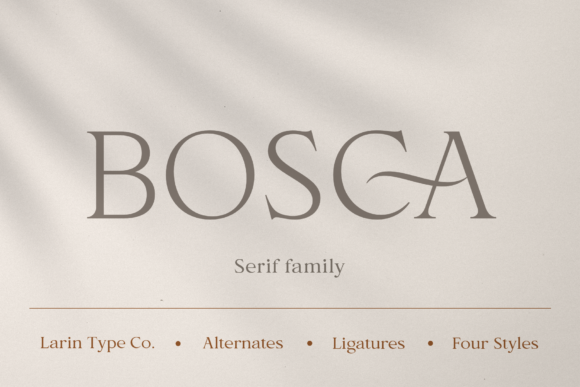
In the landscape of digital and print design, typography is rarely just a vessel for text; it is a strategic asset that dictates tone, establishes authority, and guides user perception. For professionals seeking to refine their visual identity without sacrificing readability, Bosca represents a sophisticated solution. This elegant serif font family, distinguished by its four distinct styles, offers a versatile toolkit capable of transforming everything from corporate branding to intimate wedding invitations. Its value lies not merely in its aesthetic appeal but in its functional adaptability across diverse applications.
The decision to incorporate a specific typeface into a project should always stem from clear objectives. Whether you are an entrepreneur launching a new brand, a marketer crafting a social media campaign, or a designer working on complex editorial layouts, the choice of Bosca can significantly influence the outcome. By understanding its structural nuances and encoding capabilities, users can leverage this font to achieve higher levels of professionalism and clarity.
Understanding the Strategic Value of Bosca
Bosca is defined by its classic serif characteristics, which naturally convey trustworthiness, tradition, and elegance. Unlike sans-serif fonts that often prioritize modern minimalism, Bosca brings a sense of history and refinement to the page. This makes it particularly effective for brands aiming to position themselves as established, reliable, or luxurious. When used correctly, the font does not just display information; it enhances the perceived value of the content it carries.
The versatility of Bosca is one of its primary strengths. It is engineered to perform well in a wide variety of contexts, from large-scale logos to delicate social media graphics. This flexibility allows designers and business owners to maintain a cohesive visual language across different platforms without needing to switch between multiple typefaces. Consistency is a cornerstone of effective branding, and Bosca's range ensures that your message remains unified whether it appears on a business card, a website header, or a product label.
Furthermore, the font's ability to elevate projects suggests that it serves as a force multiplier for creative efforts. A well-chosen serif like Bosca can make a simple invitation feel like a premium event or turn a standard blog post into an engaging narrative. This elevation is crucial for audiences who have high expectations for quality and detail. In a saturated market, the subtle sophistication of Bosca can be the differentiating factor that captures attention and fosters loyalty.
The Importance of PUA Encoding for Design Efficiency
One of the most practical advantages of using Bosca is its PUA (Private Use Area) encoding. For designers and developers, accessibility to specialized glyphs is often a bottleneck in the creative process. PUA encoding ensures that all unique swashes, ligatures, and alternate characters are readily accessible within standard software environments without requiring complex workarounds or external plugins.
This technical feature translates directly into improved workflow and productivity. Instead of manually constructing complex typographic effects or searching for alternative fonts to achieve a specific look, users can access the full range of Bosca's decorative elements with ease. This efficiency allows creators to focus more on strategy and less on technical hurdles. Whether you are designing a custom logo with intricate flourishes or adding stylistic touches to a signature, the immediate availability of these glyphs streamlines the production phase.
The ability to utilize swashes and special characters intentionally also supports better communication. These details can add personality and warmth to a design, making it feel more human and less robotic. However, this power must be wielded with discretion. The presence of these features is only beneficial if they align with the overall design intent.
Strategic Applications Across Industries
The utility of Bosca extends far beyond traditional graphic design tasks. Its application can be tailored to meet specific goals in various professional sectors. Understanding where and how to deploy this font is essential for maximizing its impact.
- Branding and Identity: For small business owners and startups, establishing a strong first impression is critical. Bosca works exceptionally well in logo design, providing a foundation that suggests stability and quality. It helps new businesses appear more mature and established than they might actually be, aiding in customer acquisition.
- Marketing and Social Media: In the fast-paced world of social media, visuals must stop the scroll. Bosca's elegance stands out against the typically utilitarian nature of many digital interfaces. Using it for headlines or promotional posts can signal exclusivity and high value, encouraging engagement from discerning audiences.
- Events and Hospitality: Weddings, galas, and high-end events rely heavily on the tactile and visual experience of their materials. Invitations, menus, and signage designed with Bosca set a tone of celebration and formality. The font's refined strokes mirror the care taken in planning such occasions.
- Editorial and Publishing: Bloggers, authors, and publishers looking to enhance reader retention will find Bosca suitable for headings and pull quotes. While body text often requires maximum legibility, using Bosca for structural elements creates a hierarchy that guides the reader through the content effectively.
Planning Your Typography Strategy
Before integrating Bosca into a project, it is vital to approach the decision with a clear plan. Typography is not a random selection; it is a deliberate choice that affects the entire user experience. Start by defining the emotional response you want to elicit from your audience. If the goal is to communicate luxury, heritage, or thoughtful craftsmanship, Bosca is likely a strong candidate.
Consider the medium as well. How will the font render on mobile devices versus large format prints? Bosca's legibility varies depending on size and weight, so testing the font in its intended context is a necessary step. Ensure that the chosen style maintains clarity even when scaled down for smaller screens or viewed from a distance.
Additionally, think about the pairing strategy. Bosca, being a serif, pairs beautifully with clean sans-serifs for contrast. This combination can balance the elegance of Bosca with the modernity of other typefaces, creating a dynamic visual tension that keeps designs fresh. Avoid pairing it with other highly decorative serifs, as this can lead to visual clutter and confusion.
Risks and Considerations for Intentional Use
While Bosca offers significant benefits, relying on it without a clear context can lead to negative outcomes. One common risk is overuse. Because the font is elegant, there is a temptation to apply it everywhere. However, excessive use of decorative elements or swashes can dilute the message and reduce readability. If every line of text is styled with the same level of flourish, the design loses its hierarchy, and the viewer becomes overwhelmed.
Another consideration is the potential mismatch between the font's personality and the brand's actual values. If a company positions itself as disruptive, tech-forward, or budget-friendly, the traditional elegance of Bosca might create cognitive dissonance. The audience may perceive the brand as out of touch or overly formal. Therefore, alignment between the visual identity and the core business strategy is paramount.
There is also the risk of poor implementation regarding accessibility. Highly stylized versions of serif fonts can sometimes struggle with screen readers or low-resolution displays. Always test your designs for accessibility compliance to ensure that the elegance of Bosca does not come at the cost of usability for people with disabilities. Striking a balance between aesthetics and function is the hallmark of a professional design strategy.
Maximizing Long-Term Results
Investing time in selecting the right typography yields long-term dividends. A well-chosen font like Bosca contributes to a consistent brand voice that builds recognition over time. When customers consistently associate your brand with a specific, high-quality visual style, trust increases. This consistency reduces the cognitive load on the consumer, making it easier for them to recognize and recall your products or services.
For freelancers and consultants, having a curated list of high-quality fonts like Bosca can streamline operations. It reduces the time spent searching for assets and allows for faster turnaround times on client projects. This efficiency can be reinvested into strategic thinking and creative development, ultimately leading to better results for both the practitioner and the client.
Ultimately, the success of Bosca depends on intentional usage. It is not a magic bullet that fixes poor design, but rather a powerful tool that amplifies good design. By approaching Bosca with a strategic mindset—understanding its encoding capabilities, respecting its aesthetic boundaries, and aligning it with clear business goals—you can unlock its full potential. Whether you are crafting a logo, designing an invitation, or building a brand, Bosca provides the structural elegance needed to elevate your work to the highest level.
In conclusion, Bosca is more than just a font; it is a component of a broader design strategy. For adults aged 20 to 50 navigating the complexities of modern business and creativity, choosing Bosca is a decision that prioritizes quality, clarity, and long-term value. By leveraging its four styles and extensive glyph set thoughtfully, you can create communications that resonate deeply with your audience and stand the test of time.