Uniqueen: A Comprehensive Evaluation for Professional Typography
In the landscape of digital and print design, the selection of a typeface is rarely a superficial choice. It serves as the foundation upon which brand identity, readability, and user experience are built. Among the many options available to designers, Uniqueen has emerged as a distinct contender for projects requiring clarity, structure, and professional gravitas. This geometric sans-serif font, characterized by its roman proportions, offers a specific set of visual attributes that cater to serious corporate environments. Understanding where this typeface fits within a broader typographic ecosystem requires an objective look at its construction, its intended applications, and the tradeoffs involved in its deployment.
Defining the Visual Identity of Uniqueen
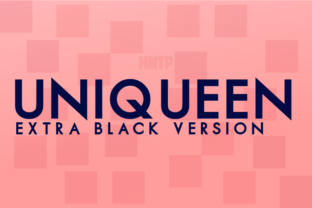
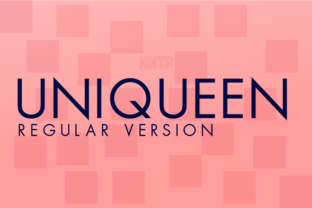
Uniqueen is defined by its classification as a geometric sans-serif with roman proportions. Unlike grotesque or neo-grotesque fonts that often prioritize neutrality above all else, Uniqueen brings a sense of deliberate geometry to its letterforms while maintaining the legibility associated with traditional roman structures. The "geometric" aspect refers to the underlying mathematical precision of curves and angles, giving the text a modern, engineered feel. However, the "roman proportions" ensure that the x-height and character widths remain balanced in a way that feels familiar to the reader, preventing the starkness that sometimes plagues purely geometric designs.
The result is a typeface that strikes a balance between contemporary aesthetics and timeless reliability. It possesses a serious tone, avoiding the playful or casual nuances found in other display fonts. This seriousness is not merely an aesthetic choice but a functional one, designed to convey authority and stability. When a designer selects Uniqueen, they are choosing a tool that suggests competence and order, making it particularly suitable for contexts where trust and precision are paramount.
Primary Applications and Use Cases
The versatility of Uniqueen makes it a strong candidate for several high-stakes industries. Its design philosophy aligns seamlessly with the needs of corporate publishing, branding initiatives, and complex information systems. Below is an analysis of how the font performs in these specific domains.
- Corporate Publishing: In annual reports, white papers, and internal communications, the primary goal is often to present data and narratives clearly without distraction. Uniqueen's clean lines and structured forms allow dense blocks of text to remain readable. The roman proportions prevent eye strain during long reading sessions, while the geometric skeleton adds a layer of modern polish that elevates the perceived quality of the publication.
- Branding and Identity: For brands aiming to project a professional, forward-thinking image, Uniqueen offers a distinctive yet accessible voice. Its serious nature helps establish credibility, which is essential for financial institutions, technology firms, and consulting agencies. Because it avoids trend-driven quirks, it provides a timeless base for logo design and brand guidelines that must endure over years rather than months.
- Wayfinding Systems: One of the most critical functions of a font in public spaces is instant legibility from a distance. Uniqueen's geometric clarity ensures that characters are easily distinguishable even when scaled down or viewed peripherally. This makes it an ideal candidate for signage in airports, hospitals, and large corporate campuses where clear navigation is a safety requirement.
- Technical Information Systems: Software interfaces, dashboards, and documentation require typefaces that can handle high information density without becoming cluttered. Uniqueen excels here due to its consistent stroke weight and open counters (the enclosed spaces within letters like 'o' or 'e'). These features ensure that technical data remains crisp on screens of varying resolutions, supporting usability in complex workflows.
Evaluating Benefits and Potential Tradeoffs
While Uniqueen offers significant advantages, a prudent evaluation requires acknowledging its limitations and the context in which it may falter. No single typeface is a universal solution, and understanding these nuances is crucial for informed decision-making.
The primary benefit of Uniqueen lies in its consistency. The geometric underpinning creates a harmonious family where every character relates logically to the others. This consistency reduces cognitive load for the viewer, allowing them to focus on the content rather than the typography. Furthermore, the serious tone of the font helps mitigate the risk of a brand appearing too casual or unprofessional, a common pitfall in the tech sector.
However, there are tradeoffs to consider. The very geometric precision that gives Uniqueen its modern edge can sometimes feel rigid or cold if not paired with appropriate imagery or layout techniques. In creative industries that rely on warmth, personality, or human-centric storytelling, Uniqueen might feel too detached or sterile. Additionally, because it leans heavily into a specific geometric style, it may lack the subtle variations found in more organic sans-serifs, which could limit its expressiveness in narrative-heavy contexts.
Situational Fit: When to Choose Uniqueen
Decision-makers should consider Uniqueen when the project goals prioritize clarity, authority, and structural integrity. If you are designing a dashboard for financial analysts, a manual for industrial machinery, or a brand identity for a law firm, Uniqueen is likely a strong fit. Its ability to handle complex technical information without sacrificing elegance makes it a practical choice for data-driven environments.
Furthermore, if your organization values a "timeless" aesthetic over fleeting trends, Uniqueen offers a safe harbor. Fonts that are overly stylized often date quickly, requiring rebranding efforts sooner than anticipated. Uniqueen's classical roman proportions anchor it in tradition, ensuring that designs created today will still look relevant five or ten years from now.
When Alternatives May Be Preferable
Despite its strengths, Uniqueen is not the optimal choice for every scenario. Designers seeking a typeface with a more humanist touch, characterized by calligraphic influences and varied stroke weights, might find Uniqueen too uniform. For example, in marketing campaigns aimed at lifestyle brands, youth culture, or artisanal products, a softer, more approachable font would likely resonate better with the target audience.
Similarly, if the project involves extensive multilingual support, it is essential to verify the language coverage of the specific font version. While many geometric sans-serifs have robust Unicode support, some may lack specialized glyphs required for certain European or Asian scripts. In such cases, a more versatile humanist sans-serif might be a safer bet to ensure global accessibility.
Practical Decision-Making Insights
To determine whether Uniqueen aligns with your specific goals, engage in a rigorous testing process before committing to a full rollout. Create mockups using actual body copy, not just headlines. Test the font at various sizes, particularly small sizes used in footnotes or mobile interfaces. Evaluate how it interacts with your existing color palette and imagery; a serious font can clash with whimsical photography.
Consider the hierarchy of your content. Uniqueen works well as a headline and subhead font due to its strong presence, but ensure that its lighter weights maintain sufficient legibility for long-form text. If the font fails to provide adequate contrast or spacing in smaller sizes, it may hinder the user experience despite its visual appeal.
Ultimately, the choice of a typeface is a strategic decision that impacts communication efficiency and brand perception. Uniqueen stands out as a reliable, professional option for organizations that value structure and clarity. By weighing its geometric rigor against the need for warmth and flexibility, designers can make an informed choice that serves both the immediate project needs and the long-term vision of their brand.