Androck: The Minimalist Foundation for Streamlined Creative Workflows
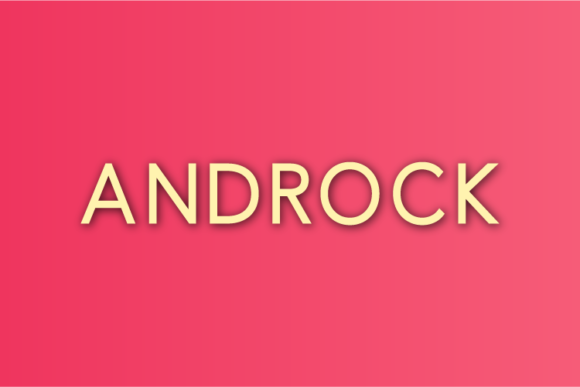
In the chaotic landscape of modern digital production, where noise often drowns out signal, clarity is the ultimate currency. Androck emerges not merely as a typeface but as a structural element within a broader design and communication ecosystem. Defined by its minimal and neat sans-serif characteristics, this font offers a level of neutrality that allows content to take center stage. For professionals, creators, entrepreneurs, and educators, the integration of such a versatile asset into daily workflows can significantly enhance the efficiency and impact of their output.
The true value of Androck lies in its adaptability. It is designed to be invisible yet omnipresent, matching an incredibly large set of projects without demanding attention for itself. Whether you are drafting a complex business proposal, designing a user interface for a new app, or curating a minimalist blog layout, the presence of this font signals precision and intentionality. By understanding how to leverage its specific traits, users can elevate their creative ideas and ensure they stand out through substance rather than stylistic clutter.
Strategic Placement in the Design Lifecycle
Integrating a specific typeface like Androck requires more than simply selecting it from a menu; it demands a strategic approach to when and where it fits within a project's lifecycle. Effective implementation begins before the first pixel is moved or the first word is typed. During the preparation phase, designers and writers must evaluate the context of their audience and the medium of delivery. Androck excels in scenarios where readability and longevity are paramount.
Pre-project planning involves assessing the visual hierarchy of your intended deliverable. If the goal is to present data-heavy reports or educational materials, the clean lines of Androck provide a stable foundation that reduces cognitive load for the reader. Its neutral stance ensures that the focus remains on the information being conveyed rather than the vehicle used to deliver it. This makes it an ideal candidate for long-term branding assets where consistency is critical for recognition.
During the execution phase, the versatility of Androck becomes most apparent. Because it pairs seamlessly with a wide array of other fonts and graphical elements, it acts as a bridge between disparate design components. A creative director might use it for body text while pairing it with a more decorative serif for headlines, creating a dynamic contrast that maintains professional polish. This flexibility allows teams to iterate quickly without worrying about clashing typographic identities, streamlining the decision-making process.
Integration Across Diverse Professional Domains
The utility of Androck extends far beyond traditional graphic design studios. Its application spans various sectors, each requiring a unique approach to typography and communication.
- Entrepreneurs and Small Business Owners: For those managing startups, clear communication is vital. Using Androck in pitch decks, investor presentations, and marketing collateral conveys a sense of stability and modernity. It helps small businesses compete with larger entities by ensuring their visual identity appears polished and professional without excessive styling costs.
- Educators and Bloggers: In the realm of content creation, readability is king. Teachers creating course materials or bloggers writing long-form articles benefit from the legibility of Androck. Its neat structure guides the eye smoothly down the page, encouraging readers to consume more content and reducing fatigue during extended reading sessions.
- Freelancers and Publishers: Freelance professionals often juggle multiple clients with different brand guidelines. Having a reliable, neutral font like Androck in one's toolkit provides a safety net. It can serve as a fallback option or a primary choice for client work that requires a "clean slate" aesthetic, ensuring consistent quality across diverse portfolios.
Workflow Optimization and Technical Compatibility
When discussing the practical implementation of Androck, one must consider the technical environment in which it operates. Efficiency in workflow is often dictated by how easily tools interact with one another. Androck is built to function smoothly across various platforms, from desktop publishing software to web development environments. This cross-platform compatibility is essential for modern teams who may be collaborating remotely or utilizing cloud-based resources.
Compatibility is a key factor in maintaining high standards of quality control. A font that renders inconsistently across different operating systems or browsers can undermine the professionalism of a final product. Androck's robust character set and precise kerning ensure that text looks identical whether viewed on a mobile device, a tablet, or a high-resolution monitor. This consistency is crucial for maintaining brand integrity and ensuring that the message is received exactly as intended.
To maximize efficiency, users should establish a standardized library or style guide that incorporates Androck early in the process. By defining usage rules—such as specific weights for headings versus body text, or appropriate line heights—teams can reduce the time spent making repetitive decisions. This organizational approach prevents the "decision fatigue" that often plagues creative projects, allowing the team to focus on strategy and execution rather than minor formatting details.
Enhancing User Experience Through Typography
For marketers and UX designers, typography is not just about aesthetics; it is a functional tool that influences user behavior. The minimal nature of Androck supports a frictionless user experience. When users encounter a website or application with clear, unobtrusive typography, they are more likely to engage with the content and complete desired actions, such as signing up for a newsletter or making a purchase.
The visual weight of Androck can be manipulated to create emphasis without resorting to loud colors or aggressive shapes. By using bold variations for key calls to action or important data points, designers can guide the user's attention naturally. This subtle form of direction is highly effective in conversion rate optimization strategies, where every element must earn its place on the screen.
Sustainable Practices and Long-Term Value
In an era of fleeting trends, choosing a typeface with enduring appeal is a smart investment. Androck is designed with a timeless quality that resists the urge to become dated quickly. This longevity is particularly valuable for organizations looking to build assets that will remain relevant for years. Investing in a font that stands the test of time reduces the need for frequent rebranding efforts, saving both money and effort in the long run.
Consistency over time builds trust. When a company consistently uses a recognizable and reliable font across all touchpoints—from email signatures to physical packaging—it reinforces its identity in the minds of customers. Androck facilitates this consistency by providing a solid anchor that can withstand changes in other design elements. As a project evolves, the core typography remains a constant, providing a sense of continuity that stabilizes the overall narrative.
Furthermore, the usability of Androck supports accessibility standards. Clear, well-spaced characters are easier for individuals with visual impairments to read. By prioritizing fonts that adhere to these principles, creators demonstrate a commitment to inclusivity. This ethical consideration is increasingly important for brands that wish to connect with a broad and diverse audience.
Practical Tips for Seamless Implementation
To get the most out of Androck, consider adopting a few practical habits during your creative process. First, always test your designs at actual sizes. A font that looks great in a large mockup might lose its legibility when scaled down for a mobile view. Androck generally performs well at small sizes, but verifying this in context is a necessary step in quality assurance.
Second, embrace the power of whitespace. Minimalist fonts thrive when given room to breathe. Avoid cramming text together; instead, use generous margins and padding to let the neat lines of Androck shine. This approach not only improves readability but also adds a layer of sophistication to the design.
Finally, treat Androck as a collaborative partner. Discuss its usage with stakeholders early in the project. Explain how its neutral tone supports the content and why it aligns with the project's goals. When everyone understands the rationale behind the choice, the adoption of the font becomes smoother, and the final result is more cohesive.
By integrating Androck thoughtfully into your workflows, you are not just selecting a font; you are committing to a philosophy of clarity and purpose. It serves as a reminder that in a world full of distractions, the most powerful message is often the one delivered with the least amount of noise. Whether you are launching a startup, teaching a class, or designing a digital experience, adding Androck to your creative arsenal ensures that your work remains focused, professional, and impactful.